Totality
It comes at midday in August, and the light goes wrong in the best way. Birds quiet. The temperature drops. For a little under two minutes over Spain, the sun becomes a black disc ringed in silver while you stand somewhere you chose with care. I build the nine days around that one moment, then fill the hours on either side with the table, the cellar, and the sea. You travel for the eclipse. You remember the rest.
Design this journey with BethThe shape of it
- Totality timed over the Balearic sky
- Pintxos crawl through San Sebastián's old town
- Private cellar lunch in Rioja
- Cliffside mornings above Cala de Deià
- La Concha bay at golden hour
- Tempranillo tasting among the vines
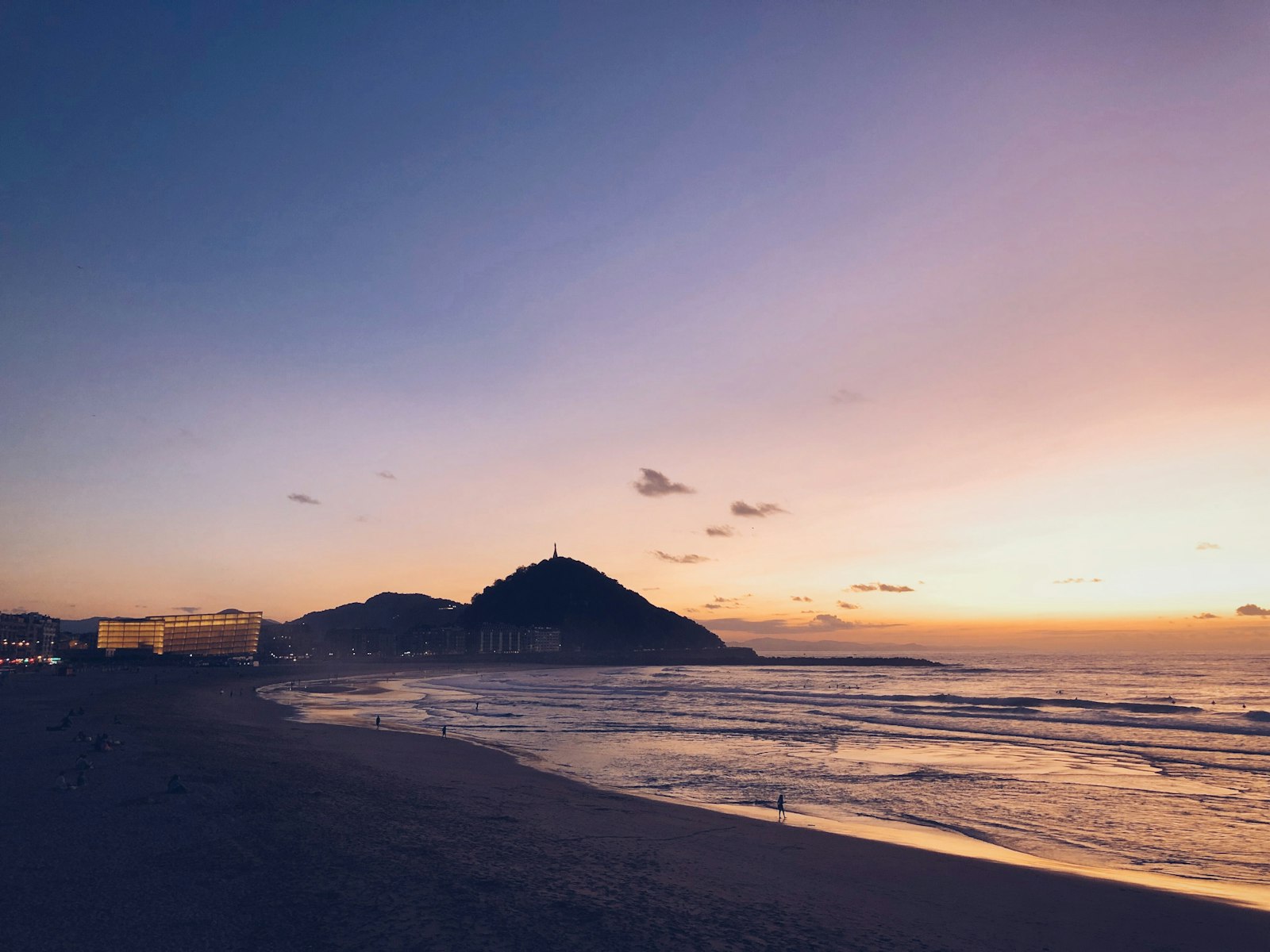
Where The Bay Curves
You arrive into the Basque country and the city eases you in. La Concha bay scoops a clean arc of sand below Monte Urgull, and I send you out into the old town as the evening fills the streets. Pintxos here are an art of the bar top: a slice of bread crowned with seared foie, a skewer of anchovy and guindilla pepper, a spoon of txangurro crab. You move from counter to counter with a small glass of txakoli, the local white poured from a height so it froths. One morning I reserve a table at a kitchen that earned its stars decades ago. The rest of the time I want you wandering, choosing by the crowd at the rail. Late, you walk the promenade with the tide coming in and the streetlamps doubling on the wet sand.
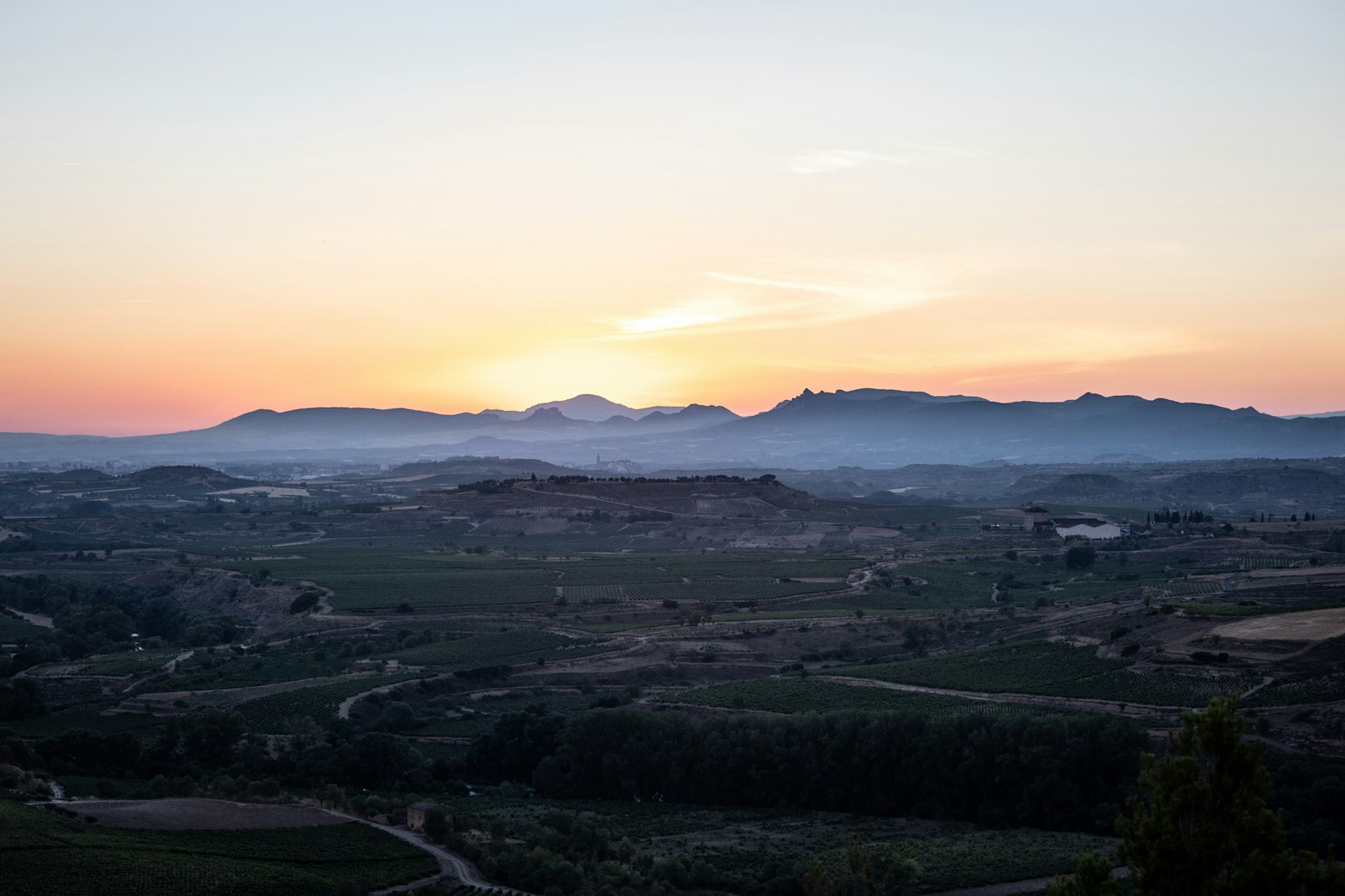
Down Into The Cellar
We drive south and the land opens into vines. Rioja in August is dusty gold at the edges, the tempranillo heavy on the wire weeks ahead of harvest. I arrange a private lunch inside a working bodega, the kind where you eat at a long table set among the barrels and the temperature drops the moment you step underground. A winemaker pours through the verticals and explains why one ridge ripens before the next. You taste cordero asado, milk-fed lamb cooked over vine cuttings, with bread to catch the juices. Afterward I keep the afternoon slow. You walk a row of old bush vines, you nap, you watch the light go amber over the Sierra de Cantabria. The region rewards patience, and these two days are built for it.
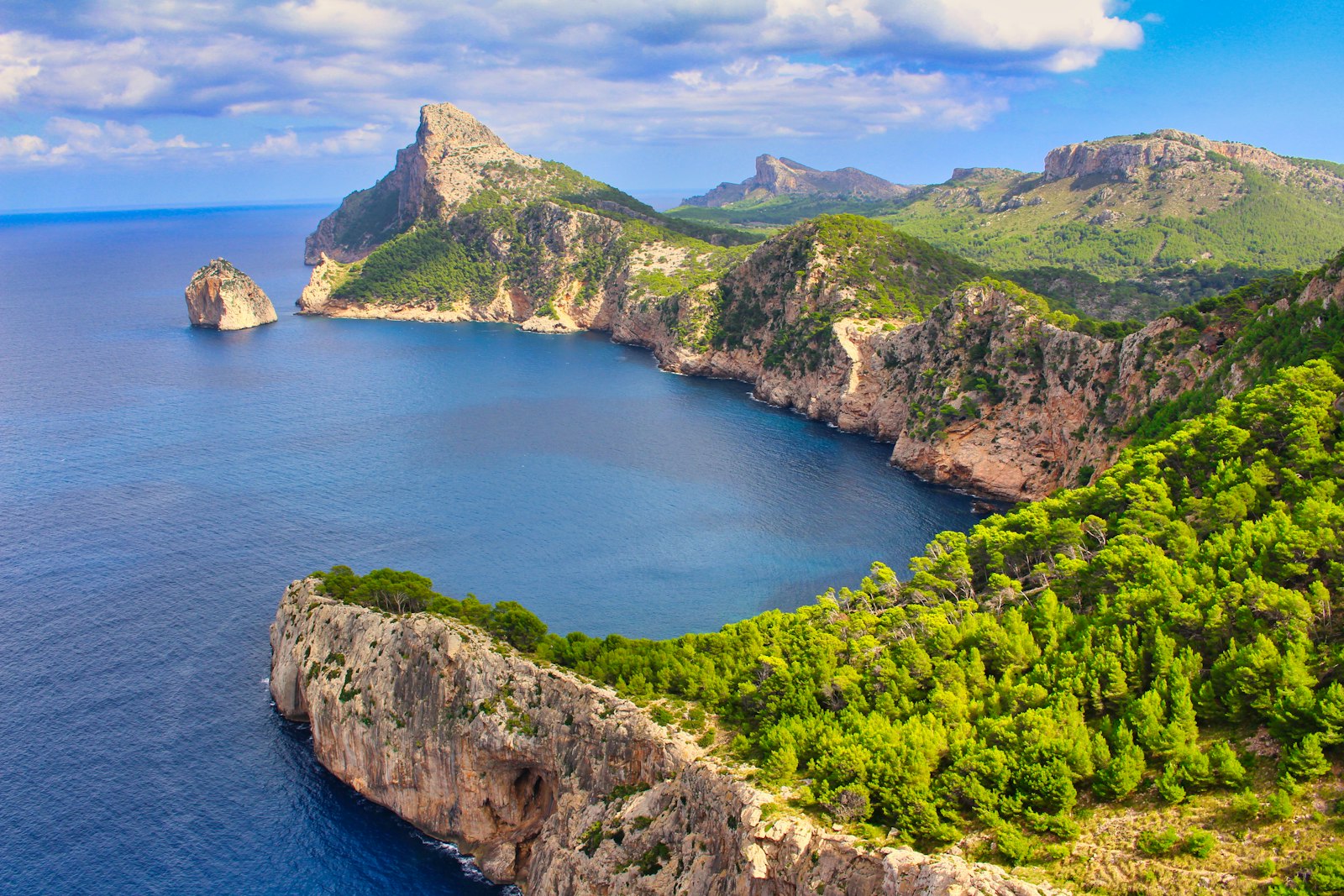
The Mountains Meet Sea
Mallorca is where the journey exhales. You settle into Deià, a stone village folded into the Serra de Tramuntana, with the mountains dropping straight to the water. Mornings start with coffee on a terrace and the cicadas already loud. I plan a slow descent to Cala de Deià, the small rocky cove where you swim before the day heats, then lunch on grilled sea bass at the shack above the rocks. One afternoon you take a boat along the Tramuntana coast, past cliffs that glow ochre near sunset. Another, you do nothing at all, which is the point. The headland light here has drawn painters and writers for a century, and after a few days you understand why. This is also your base for the day that anchors everything.
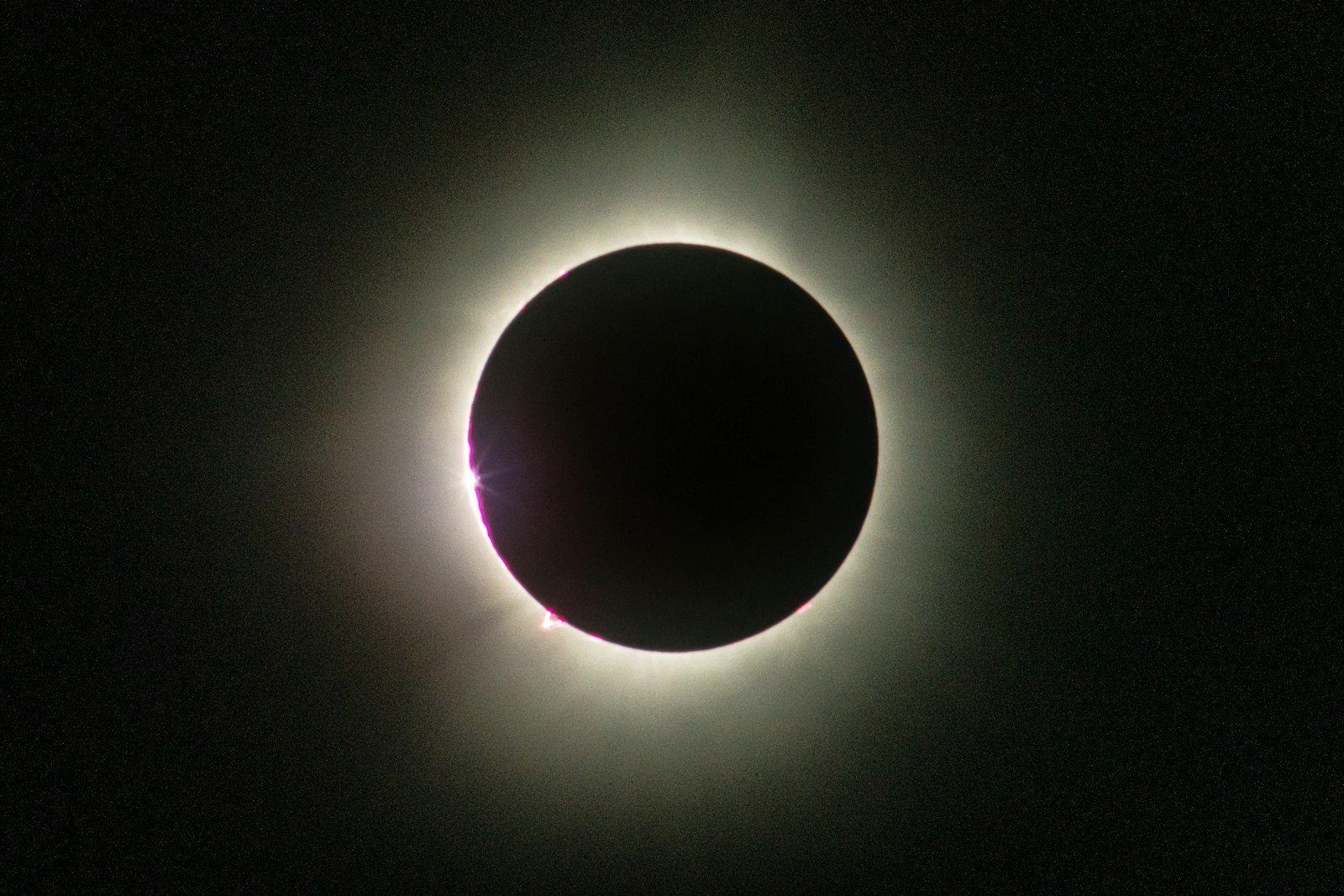
Timed For Totality
Everything points to this afternoon. On 12 August 2026, the moon's shadow crosses the Balearic sky, and I position you for the clearest possible view, away from the crowds, with shade, water, and certified viewers in hand. The partial phase is slow and almost playful: the light thins, shadows sharpen into crescents under the trees, and the heat lets go. Then the last bead of sun snaps shut. For a little under two minutes the corona stands open, silver and feathered, and you can look with bare eyes. Someone near you will cry. Most people go quiet. Afterward I have a long table waiting, because the only honest response to that is to sit down together with cold wine and talk about what you just saw, late into the warm night.