Petra to the Dead Sea
You step out of the cool shadow of the Siq and the rock opens. The Treasury stands in front of you, carved by hand into a cliff the color of a ripe peach, and for a moment nobody around you speaks. Jordan moves like this, from Roman streets to red desert to water you cannot sink in. I shape the eight nights so each turn feels earned, and so the quiet ones land hardest.
Design this journey with BethThe shape of it
- First light through the Petra Siq
- Roman colonnades at Jerash
- Candlelit walk to the Treasury
- Jeep across Wadi Rum's red sand
- A night under desert stars
- Floating in the Dead Sea
Where the empires met
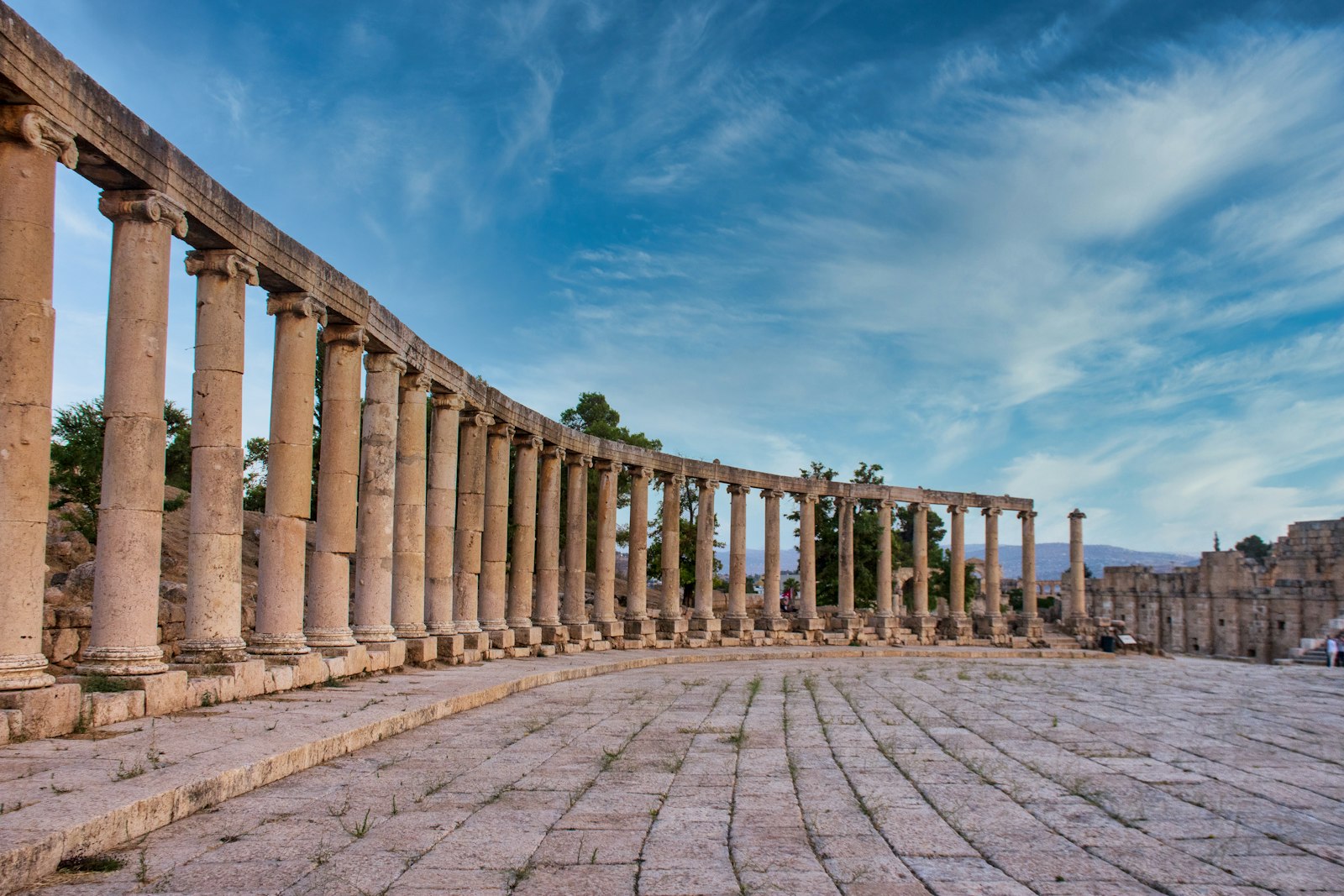
You begin in Amman, on a hillside of white stone houses stacked toward the citadel. I give you the first day to settle, with a slow lunch of mansaf, the lamb and fermented-yogurt dish Jordanians serve at every celebration, and an evening on a rooftop as the call to prayer crosses the valley. The next morning we drive north to Jerash. You walk the Oval Plaza, where a sweep of Ionic columns curves around a paved forum the Romans laid almost two thousand years ago. Your guide times it so you reach the colonnaded main street, the Cardo, before the coaches arrive, when the ruts worn by chariot wheels still hold the morning shadow. I keep the pace unhurried. This is the chapter where you start reading the country, and Jordan rewards anyone who slows down to look.
Through the rose canyon
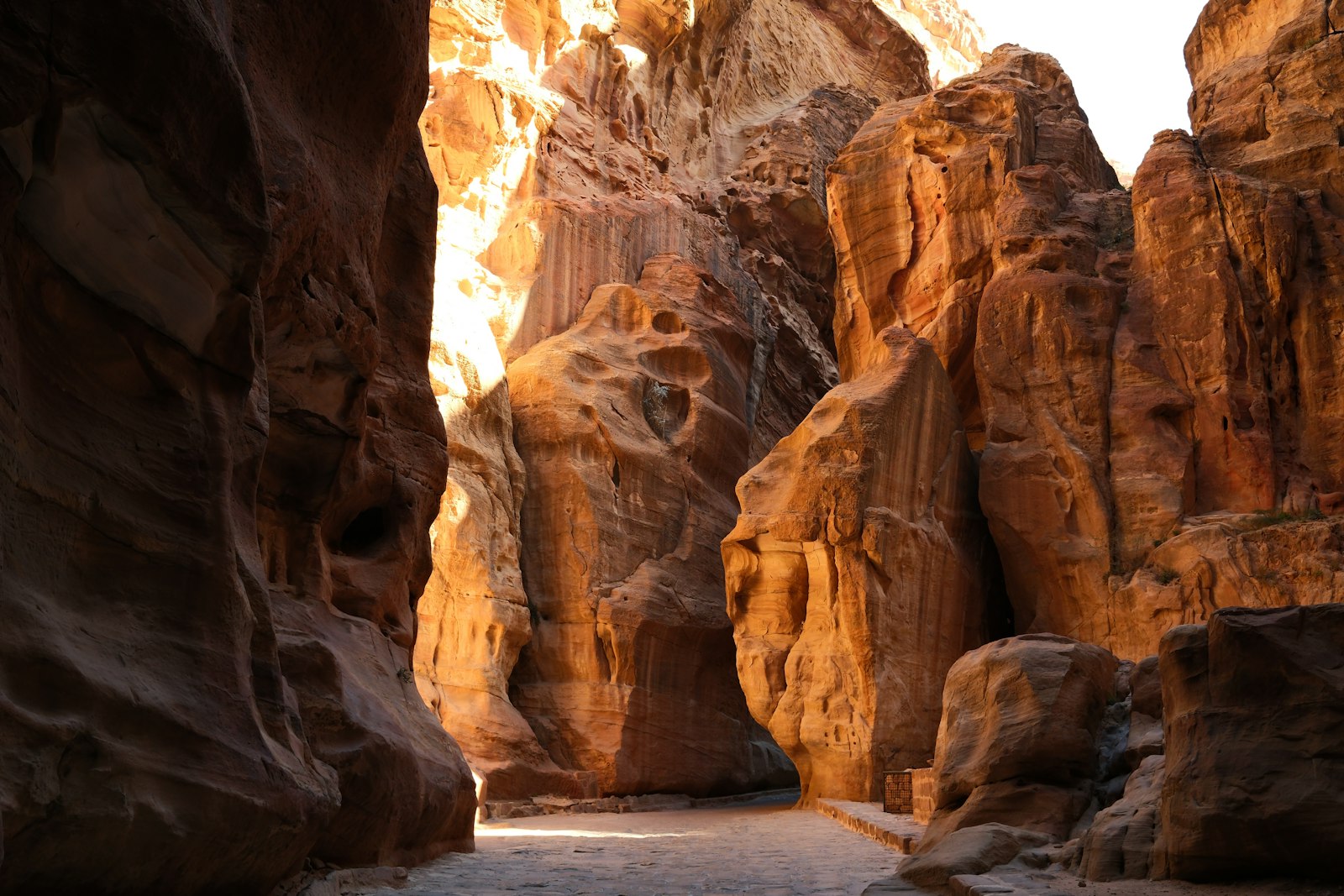
We reach Petra in the afternoon so you can rest before the early start. At dawn you enter the Siq, a corridor where the rock walls rise more than a hundred metres and pinch the sky to a ribbon. You round the final bend and the Treasury appears between the cliffs, its columns catching the first sun. From there the city keeps unfolding: the Street of Facades, the Royal Tombs, and a climb of eight hundred steps to the Monastery, where a Bedouin tea stand waits at the top. On one evening I arrange the candlelit walk back to the Treasury, the Siq lined with luminaries and the facade lit only by flame and the music of a single rababa. You sit on the sand. You listen. Few moments on this trip stay with you the way that one does.
The valley of the moon
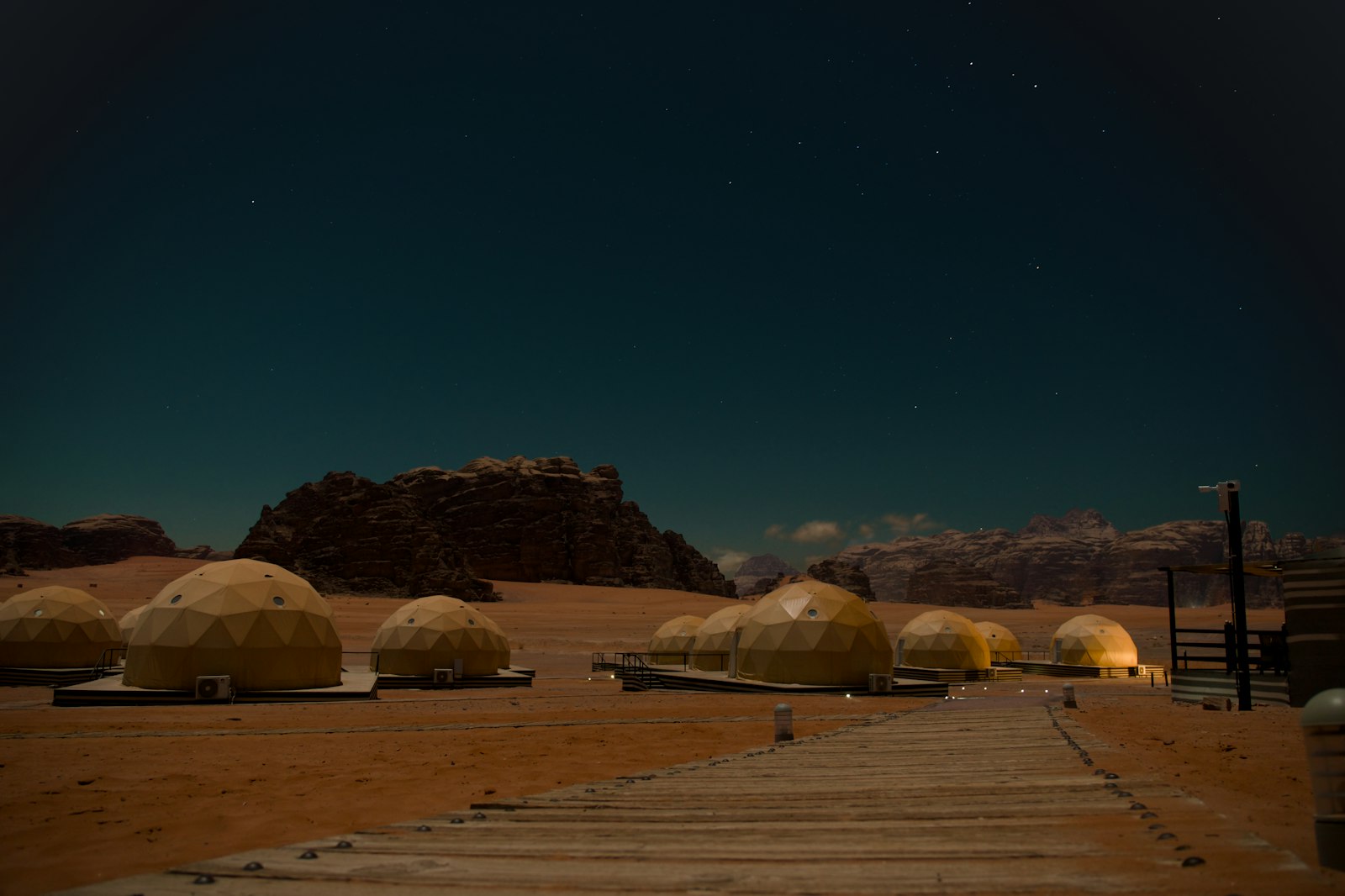
An hour south of Petra the land empties out. Wadi Rum is sandstone the color of rust, monoliths that rise straight from a floor of fine red sand, and a silence so complete you notice your own breathing. You cross it by jeep in the late afternoon, when the light turns the cliffs amber and the shadows stretch long across the dunes. Your driver stops at a natural arch, at the spring T.E. Lawrence wrote about, at a canyon wall scored with carvings left by Nabataean travellers. Your camp sits among the rock towers, a cluster of canvas suites and glass-domed tents set on the open sand. After dinner you walk out past the last lamp. The stars come down to the horizon on every side, more of them than you knew were there, and you understand why people call this the valley of the moon.
The lowest place on earth
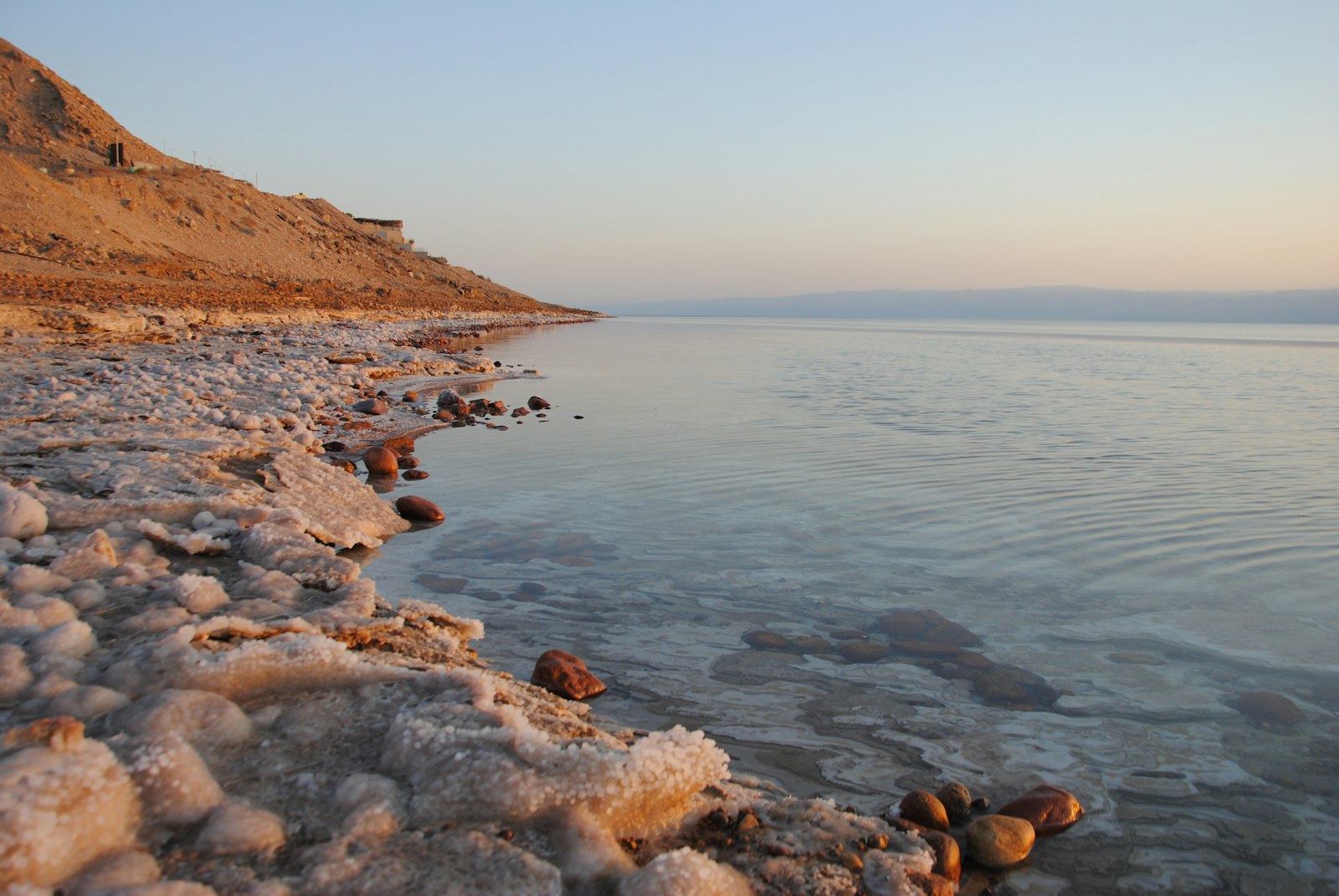
The road from the desert drops and keeps dropping, past sea-level markers, down to a shore more than four hundred metres below the ocean. The Dead Sea lies flat and pale ahead of you, ringed by salt the water has crusted white along the rocks. You wade in and the water lifts you off your feet before you decide to float. Hold a newspaper, sip your tea, drift. Afterward you coat yourself in the dark mineral mud the spas here have used for generations, let it dry in the sun, then rinse it away. I leave these last two days deliberately open. A long massage, a slow breakfast on a terrace facing the water, an evening watching the light fade over the hills of the far shore. After Petra and the desert, you have earned the stillness, and the Dead Sea was made for it.