Japan, Slowly
You wake before the city does. Outside the window, Tokyo is still grey and quiet, and a man in white gloves wipes down a vending machine on an empty corner. Over nine nights I let the country slow you down on purpose. You move from neon to lantern light, from bullet train to a tatami floor, until the rush you arrived with has gone somewhere you cannot find it. This is Japan taken at the pace it deserves.
Design this journey with BethThe shape of it
- Dawn quiet at Fushimi Inari
- First-class shinkansen to the mountains
- Private onsen under open sky
- Kaiseki served course by course
- Bamboo grove before the crowds
- Whisked matcha in a tea room
The city, on foot
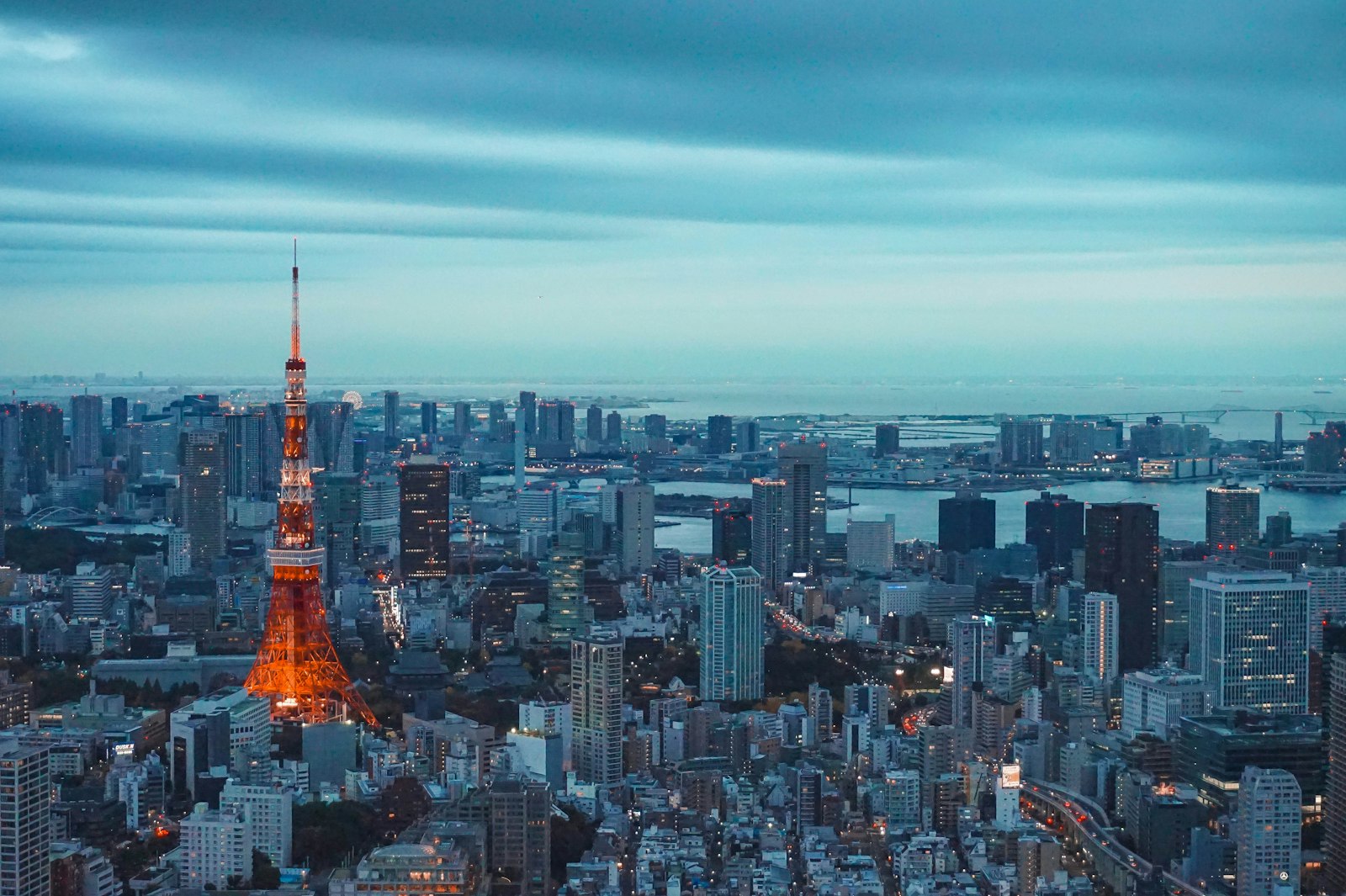
I give you Tokyo in layers. Mornings begin slow with a pour-over coffee in a six-seat kissaten, the master measuring grounds like a chemist. By afternoon you are in Shibuya, where the crossing pulls a thousand people into the street at once and releases them just as cleanly. I send you down a Daikanyama side lane for the kind of denim shop most visitors never find, then up to a quiet bar on a high floor where the bartender carves a single sphere of ice. At night the signage turns the wet pavement into a second sky of color. You will want a vantage point, so I arrange one above it all. I base you at Aman Tokyo, where the lobby sits 33 floors up and a deep stone bath looks out over the imperial gardens. The Hoshinoya Tokyo, a ryokan hidden inside a tower, is the alternative when you want tatami from the first night.
Into the mountains
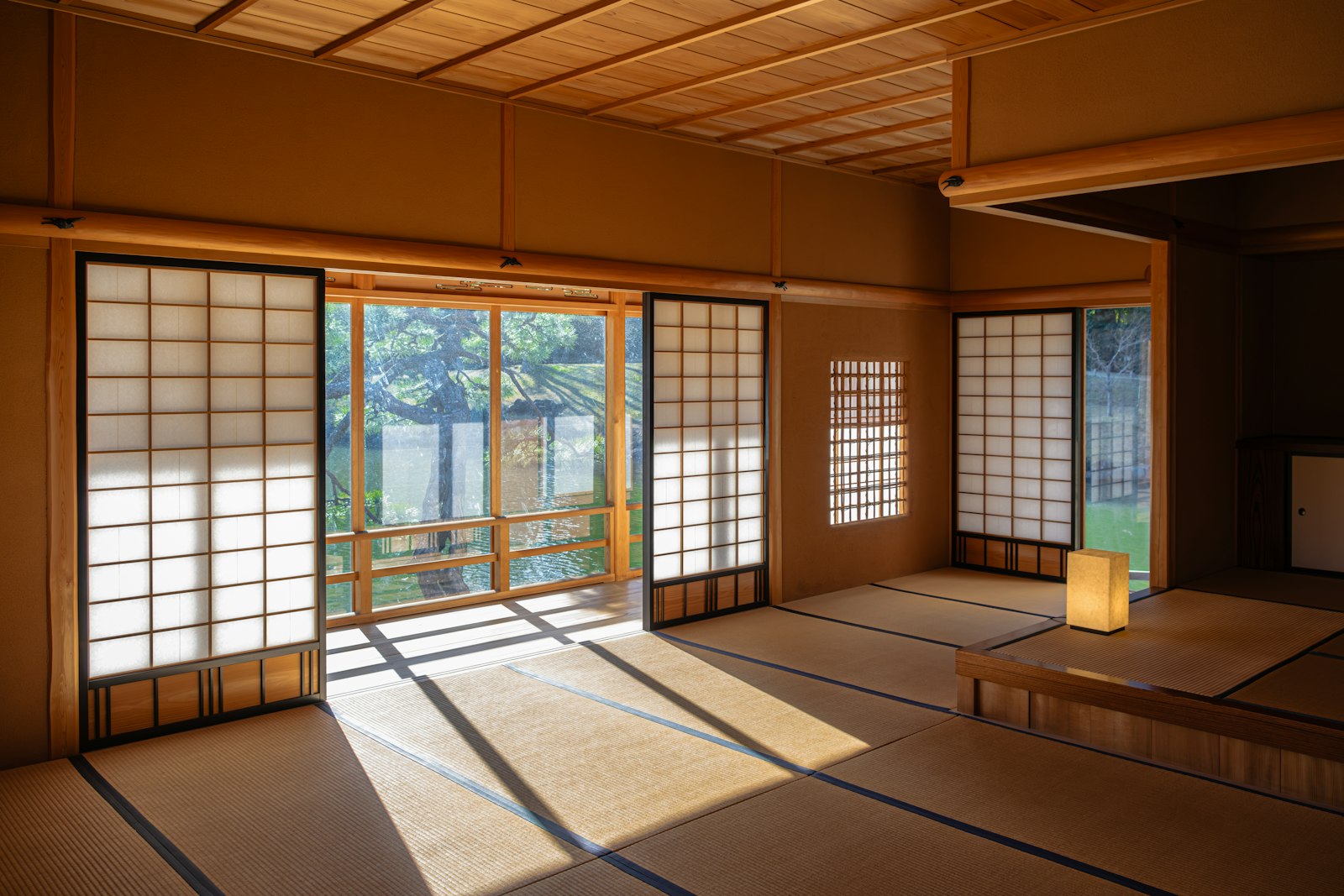
You trade the platform crush for a reserved green-car seat, and the shinkansen carries you out of the sprawl in near silence. Within the hour the windows fill with cedar ridgelines and, on a clear afternoon, the white cone of Fuji holding the horizon. I book you into a ryokan where the room opens onto its own cypress-wood bath, fed by hot spring water that smells faintly of iron and earth. You soak as the light goes blue over the valley. Dinner arrives in your room, course after course on lacquer trays: a single grilled river fish, mountain vegetables dressed in sesame, a clear broth you drink slowly. In the morning a maid slides back the screen to a garden wet with dew. Gora Kadan in Hakone is my anchor here, with Asaba in Shuzenji as the quieter, older alternative for travelers who want to disappear entirely.
The slow capital
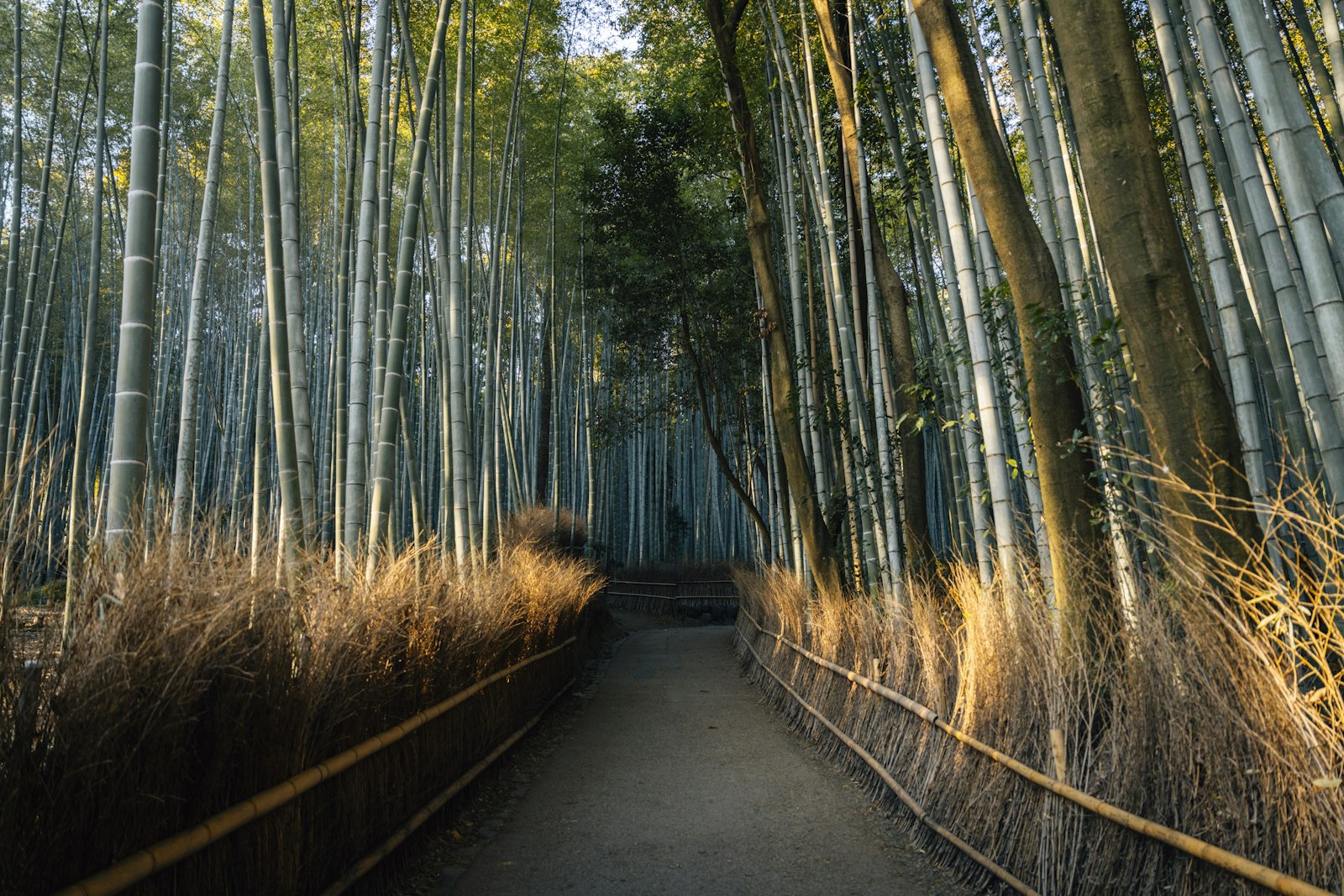
Kyoto rewards the early riser, so I get you to Arashiyama before the tour buses. You walk the bamboo grove while it is still cool and the only sound is the cane creaking overhead. The light comes down in green columns. Later I send you across the river to a moss garden where a monk rakes gravel into long even lines, and you sit on a worn veranda doing nothing at all. Lunch is tofu, made that morning, in a temple sub-hall with a view of nothing but pines. Your base is Aman Kyoto, set inside a forested valley north of the city, its rooms looking out on cryptomeria and a private moss garden. The Hiiragiya, a ryokan run by the same family since 1818, is the alternative when you want to sleep inside Kyoto's history rather than beside it.
One last morning
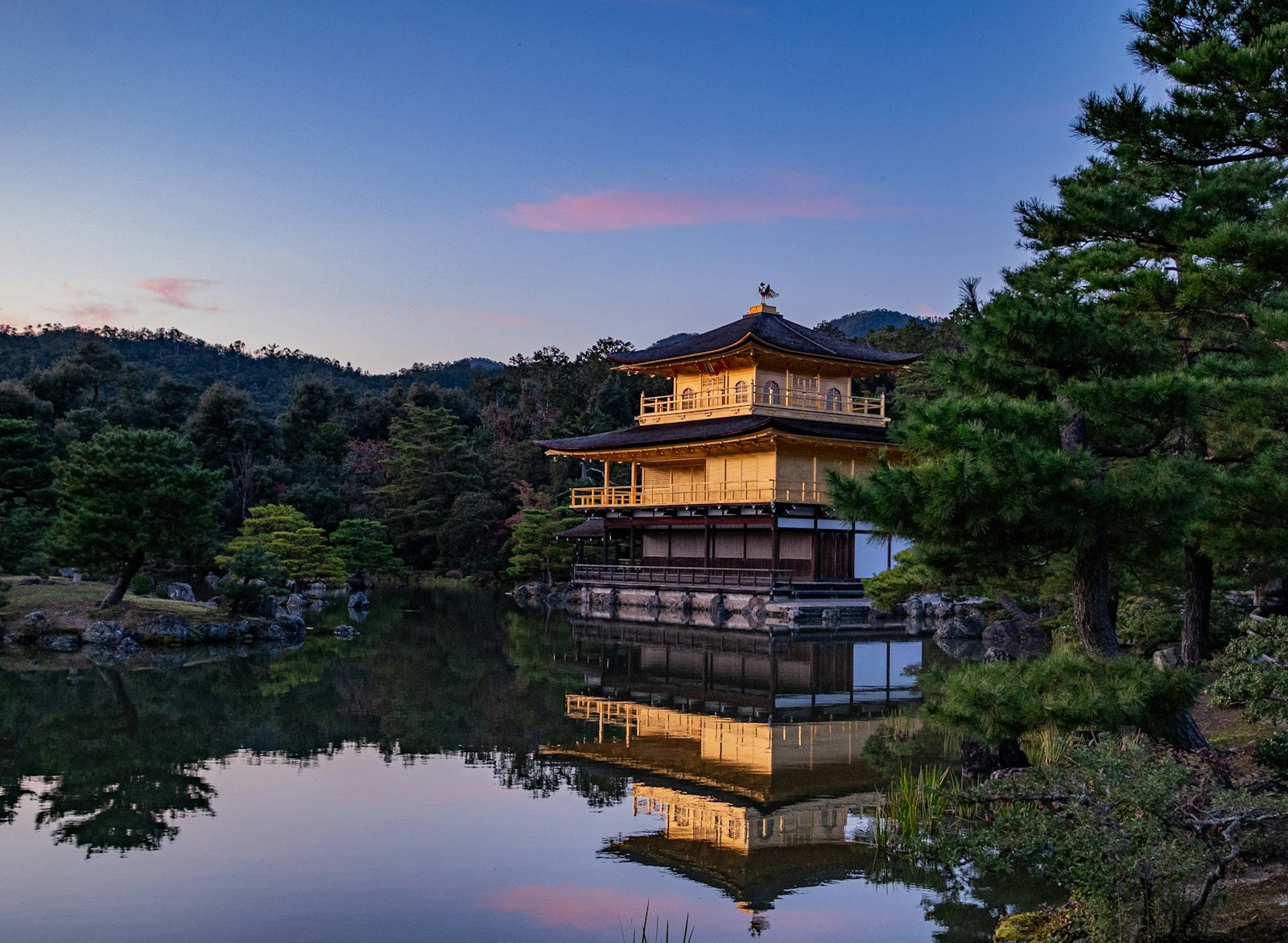
Your final day belongs to the things Kyoto does quietly. I arrange a private tea ceremony in a machiya off a lane in Gion, where a teacher walks you through the whisking of matcha until the bowl turns to jade foam. You hold it with both hands, turn it twice, and drink. The room is small and the kettle is the loudest thing in it. Afterward you walk to Kinkaku-ji as the afternoon softens, the Golden Pavilion laying a second copy of itself across the still pond. You linger on the path through the garden, in no hurry to leave. As dusk settles over Gion's wooden facades, a geiko in pale silk crosses a lane toward an appointment, and the whole trip seems to gather into that one unhurried minute. Then you go home slower than you came.