The White Continent
It begins with a sound, the slow crack of a glacier calving somewhere across the bay, then silence so complete you hear your own pulse. This is the journey for the traveler who has seen the famous places and wants the quiet ones. You move from the granite towers of Patagonia to the last wild coast on the planet, then back to a warm Buenos Aires evening, changed by the cold and the stillness.
Design this journey with BethThe shape of it
- Sunrise at the base of the towers
- Private embarkation in Ushuaia
- Crossing the Drake Passage
- Zodiac landing among gentoo penguins
- Humpbacks surfacing beside the ship
- A last steak dinner in Recoleta
Where the towers begin
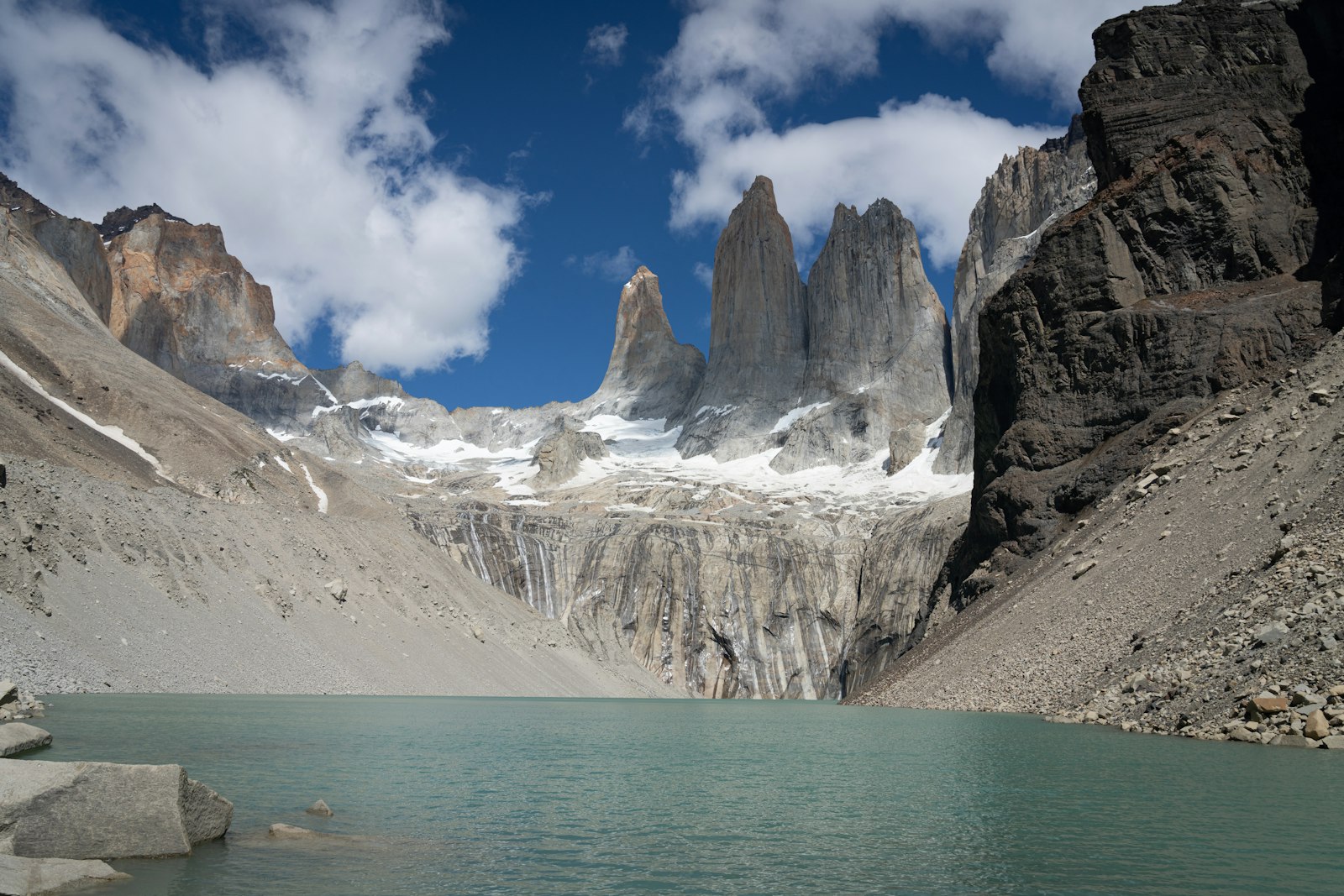
You land in Santiago, then fly south to a country of wind and granite. At Explora Torres del Paine, your room looks straight onto the Paine massif, and the glass holds the mountain through dinner. I set your first full day for the walk to the base of the towers. You start before light, climb through lenga forest, and reach the glacial lake as the sun finds the three peaks and turns them copper. Back at the lodge, the guides pour a Carménère and talk through tomorrow over guanaco sightings on the steppe. I time these days for the long Patagonian summer light, when the wind drops in the evening and the lake goes still. You sleep hard here. The air does that. By the fourth morning you are ready for water instead of stone, for the crossing that waits to the south.
The end of the road
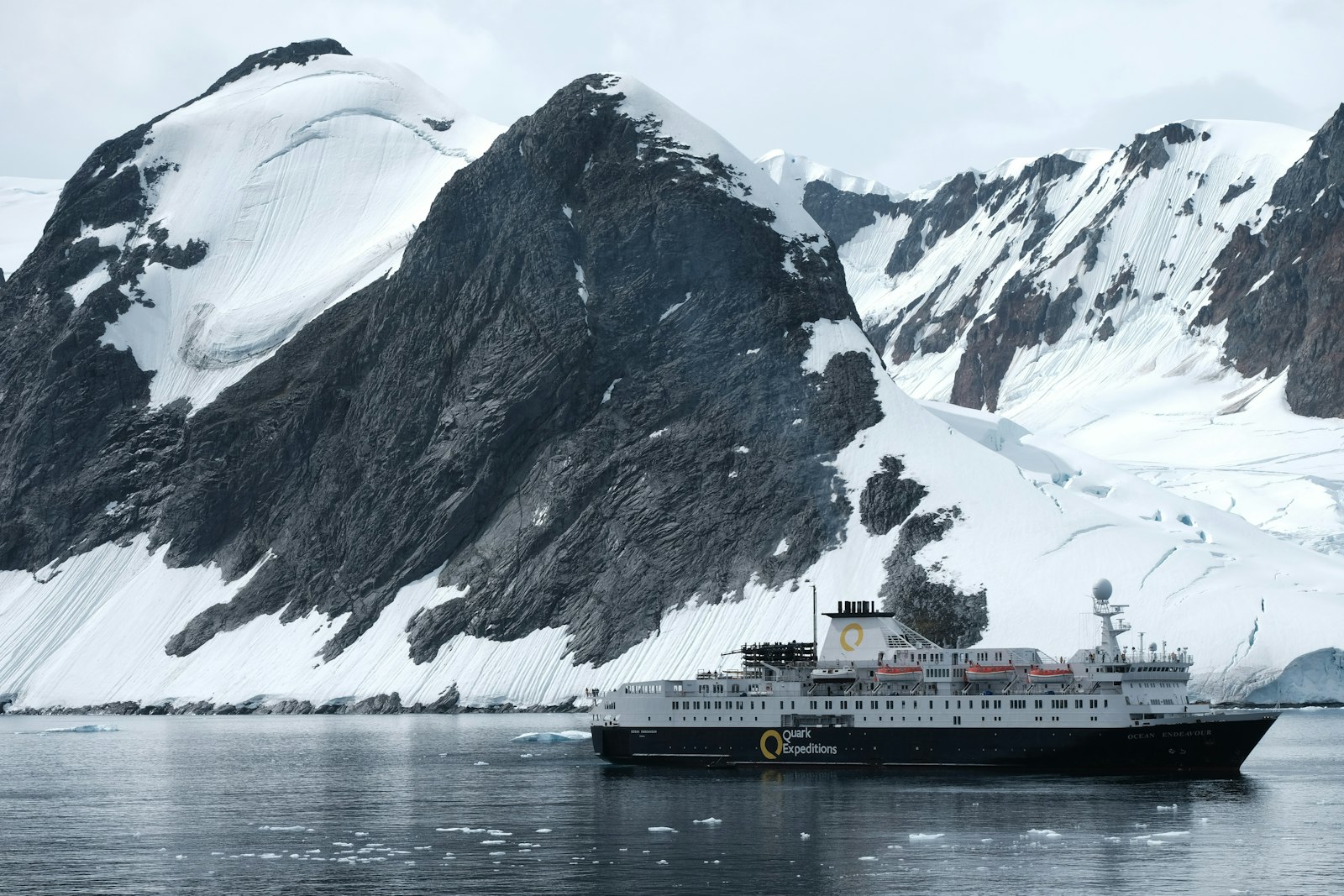
Ushuaia calls itself the end of the world, and from the pier you understand why. The Beagle Channel opens ahead, grey and wide, and your six-star expedition ship waits at the dock with a crew that already knows your name. I arrange a quiet boarding, ahead of the crowd, so your first hour aboard is unhurried. You find your suite, step onto the balcony, and watch the last of the Andes slide past as the lines come off. That evening the expedition leader gathers everyone for the briefing: the Drake Passage tonight, the South Shetlands by morning if the sea cooperates. Dinner is king crab pulled from these same waters, and the sommelier suggests a cold Chilean white. You feel the ship begin to move with the swell. Somewhere past the lights of town, the open ocean takes over, and the real journey starts.
Six days on the ice
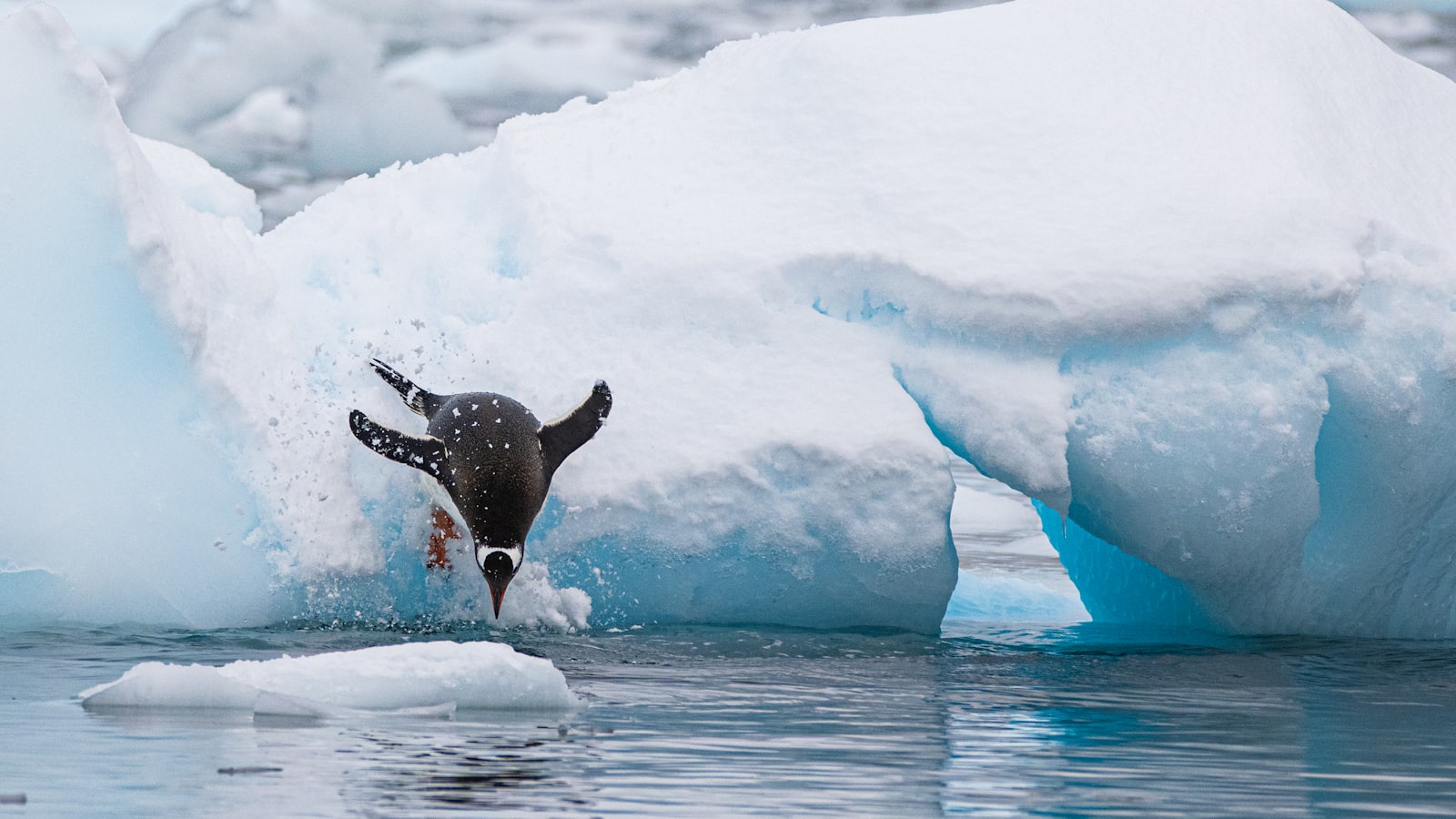
You wake to a coastline no photograph prepares you for. Each morning the expedition team studies the ice and chooses where to go, so no two days repeat. You climb into a Zodiac and skim past icebergs the color of old glass, the guide cutting the engine so you drift in silence beside a floe crowded with gentoo penguins. On a landing at Neko Harbour you stand on the continent itself, boots in the snow, while a glacier groans behind you. Back aboard, there is hot chocolate and a naturalist's talk on the whales feeding offshore. One afternoon a leopard seal surfaces beside the boat and holds your eye. Dinner is served as the ship noses into a channel still lit at ten at night, the sun unwilling to set. These are the days you will measure other trips against. I keep the schedule loose on purpose. The ice decides, and it rewards patience.
Warm light, last night
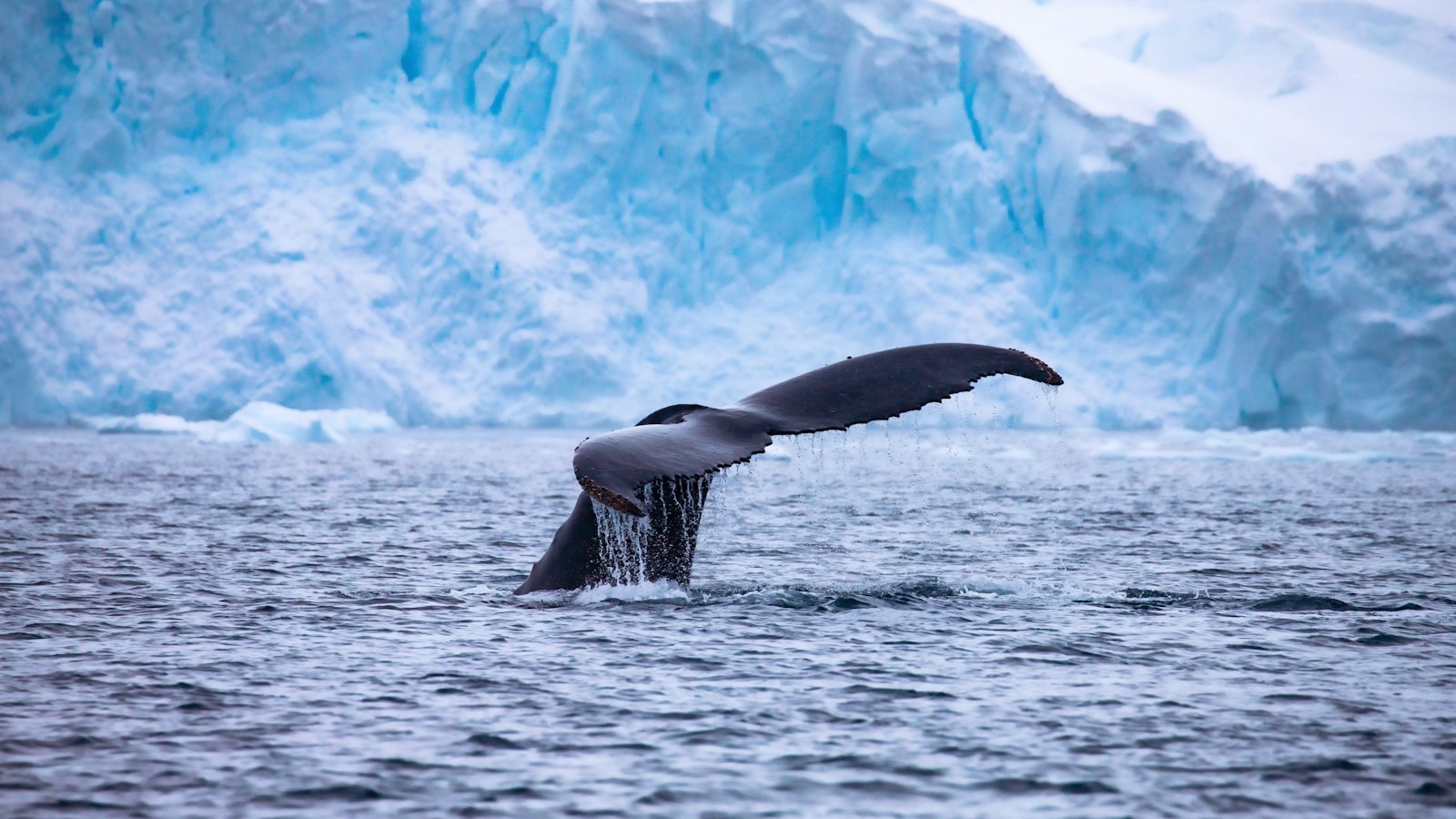
The ship turns north and the Drake gives you a parting gift. A humpback rises off the bow, lifts its fluke, and slides under without a splash, water streaming off the tail against a wall of blue ice. You stand at the rail longer than you mean to. Then comes the slow return to color: green hills, the smell of soil, the first warm air in two weeks. I bring you back to Buenos Aires for a final night at the Alvear Palace in Recoleta, where the marble lobby and a proper hot bath feel almost extravagant after the ice. Dinner is a long Argentine asado, the bife de chorizo cooked over coals, a Malbec from Mendoza, tango drifting in from the street. You toast the trip that took you to the bottom of the map. In the morning you fly home, quieter than you came.